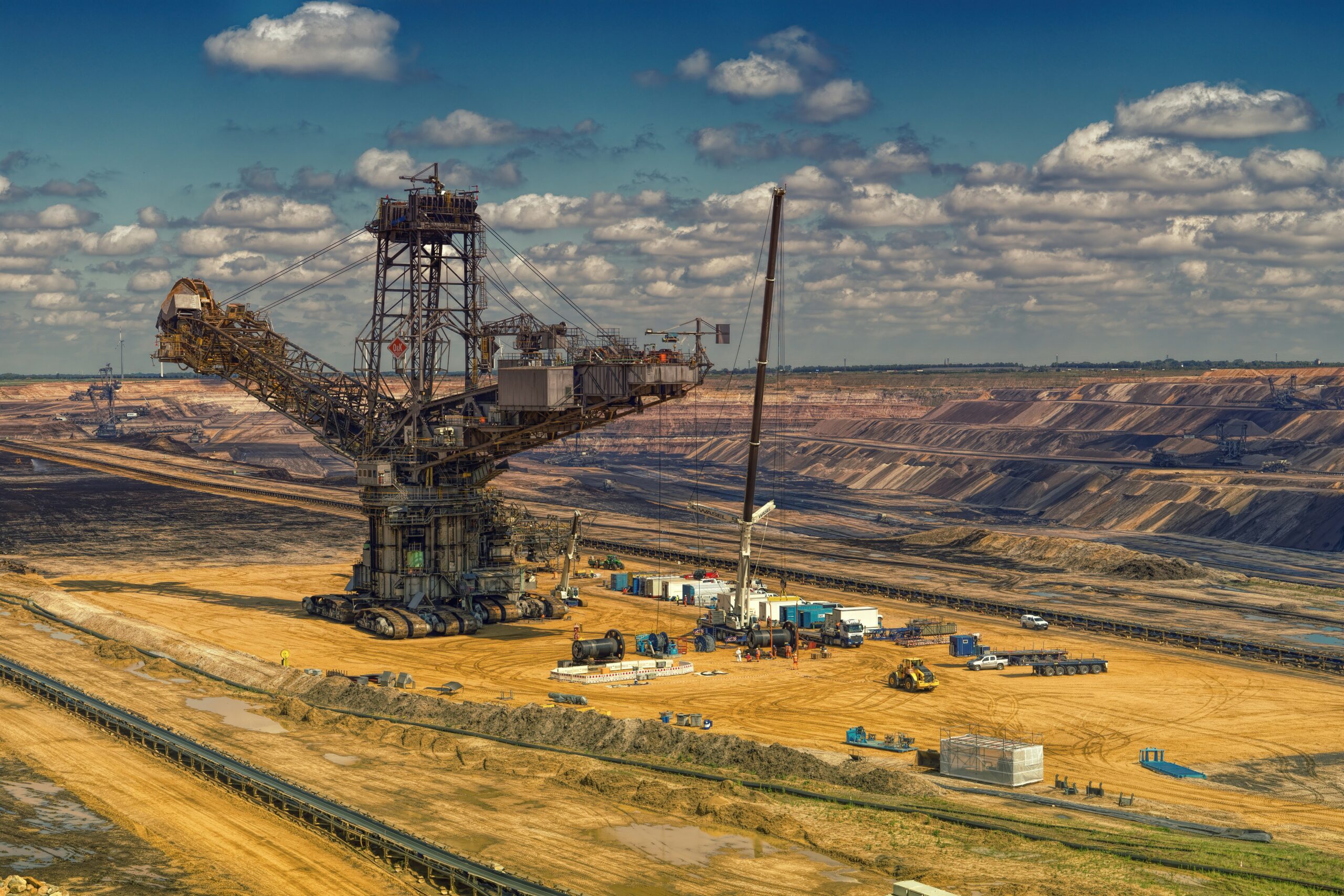
The global economy is heading toward a profound transformation, and with it comes a new wave of resource demand that differs sharply from traditional commodity cycles. While oil, gas, and coal once dominated the conversation, today’s focus is shifting to materials essential for clean energy, digital infrastructure, and advanced manufacturing. These new priorities are setting the stage for an unprecedented resource boom driven not by scarcity alone but by innovation, decarbonization, and geopolitical realignment.
Critical Minerals Powering the Green Transition
As nations race to meet ambitious climate targets, critical minerals such as lithium, cobalt, nickel, and rare earth elements are gaining extraordinary attention. These materials are indispensable for electric vehicle batteries, renewable energy systems, and energy storage technologies. The demand for lithium alone is projected to surge as EV adoption accelerates, driving significant investment in exploration, extraction, and recycling.
Yet the boom brings challenges. Many critical minerals are concentrated in a handful of countries, creating risks tied to supply chain disruptions and geopolitical tension. Companies and governments are responding by diversifying supply sources, developing new extraction technologies, and expanding domestic processing capabilities. This strategic reshaping of supply chains signals long-term growth in the critical minerals market.
A second wave of innovation is emerging around alternative battery chemistries and improved recycling methods. These developments aim to reduce dependence on geopolitically sensitive resources while meeting soaring energy storage needs. As breakthroughs continue, the critical minerals sector is poised to remain at the heart of the next resource boom.
Water Security Becoming a Global Priority
Water scarcity is evolving from a regional challenge into a global economic threat, poised to influence industries ranging from agriculture to semiconductors. As populations grow and climate change intensifies drought conditions, investment in water infrastructure, desalination, and water-efficient technologies is becoming essential.
Municipalities and private companies alike are turning to innovative solutions such as advanced filtration systems and artificial intelligence-driven water management tools. These technologies increase efficiency and reduce waste, creating new opportunities for companies specializing in water treatment, monitoring, and distribution.
At the same time, water-dependent industries are adapting by redesigning operations and shifting production to regions with more stable supplies. This realignment reinforces water’s role not only as a humanitarian necessity but also as a key economic resource. As demand for sustainable water solutions rises, the sector will likely become one of the defining pillars of the next resource boom.
Agricultural Innovation and the Future of Food
Agriculture is undergoing a technological revolution that aims to meet global food demand while conserving land and resources. Innovations such as precision farming, vertical agriculture, and gene-edited crops are becoming central players in future food security. These advancements promise to boost efficiency, reduce environmental impact, and stabilize supply chains.
As climate patterns become more unpredictable, agricultural resilience is gaining increased importance. Companies are exploring drought-resistant crops, soil-enhancing techniques, and advanced irrigation systems to improve productivity under challenging conditions. This shift is expanding opportunities for agtech companies, investors, and farmers embracing data-driven tools.
Furthermore, the growth of alternative proteins—including plant-based and cultivated meat—signals increasing diversification in global diets. As demand rises, the agricultural sector will continue evolving, reinforcing its role in the broader resource boom.
Renewable Energy Infrastructure and Grid Expansion
The rapid expansion of renewable energy is driving substantial investment in infrastructure, from large-scale solar and wind farms to upgraded transmission lines. As renewable generation grows, so does the need for modernized electric grids capable of balancing intermittent sources and ensuring reliability.
Energy storage solutions, including advanced batteries and hydrogen systems, are emerging as essential components in this transition. These technologies support grid stability and enable renewable power to meet base-load requirements, further increasing demand for specialized equipment and raw materials.
Global competition to lead in renewable energy manufacturing—especially solar panels, wind turbines, and battery systems—is intensifying. Countries with strong industrial strategies are positioning themselves to dominate the supply chains that will underpin the next generation of clean energy.
Digital Infrastructure and the Rise of Data-Driven Resources
As the digital economy expands, data itself is becoming a critical resource. The growth of artificial intelligence, cloud computing, and edge networks is fueling massive demand for data centers, semiconductor chips, and the energy required to power them. This trend is creating a resource boom in unexpected areas, including specialized metals, rare gases, and advanced cooling technologies.
Semiconductor manufacturing, a cornerstone of the digital economy, requires highly pure materials and precise engineering. Investments in new chip fabs are rising worldwide, backed by government incentives designed to strengthen domestic production and reduce supply chain vulnerabilities.
Meanwhile, the energy consumption of data centers is pushing the development of more efficient processors, renewable-powered facilities, and innovative cooling systems. As AI becomes more prevalent across industries, the digital resource boom will continue shaping global economic priorities.