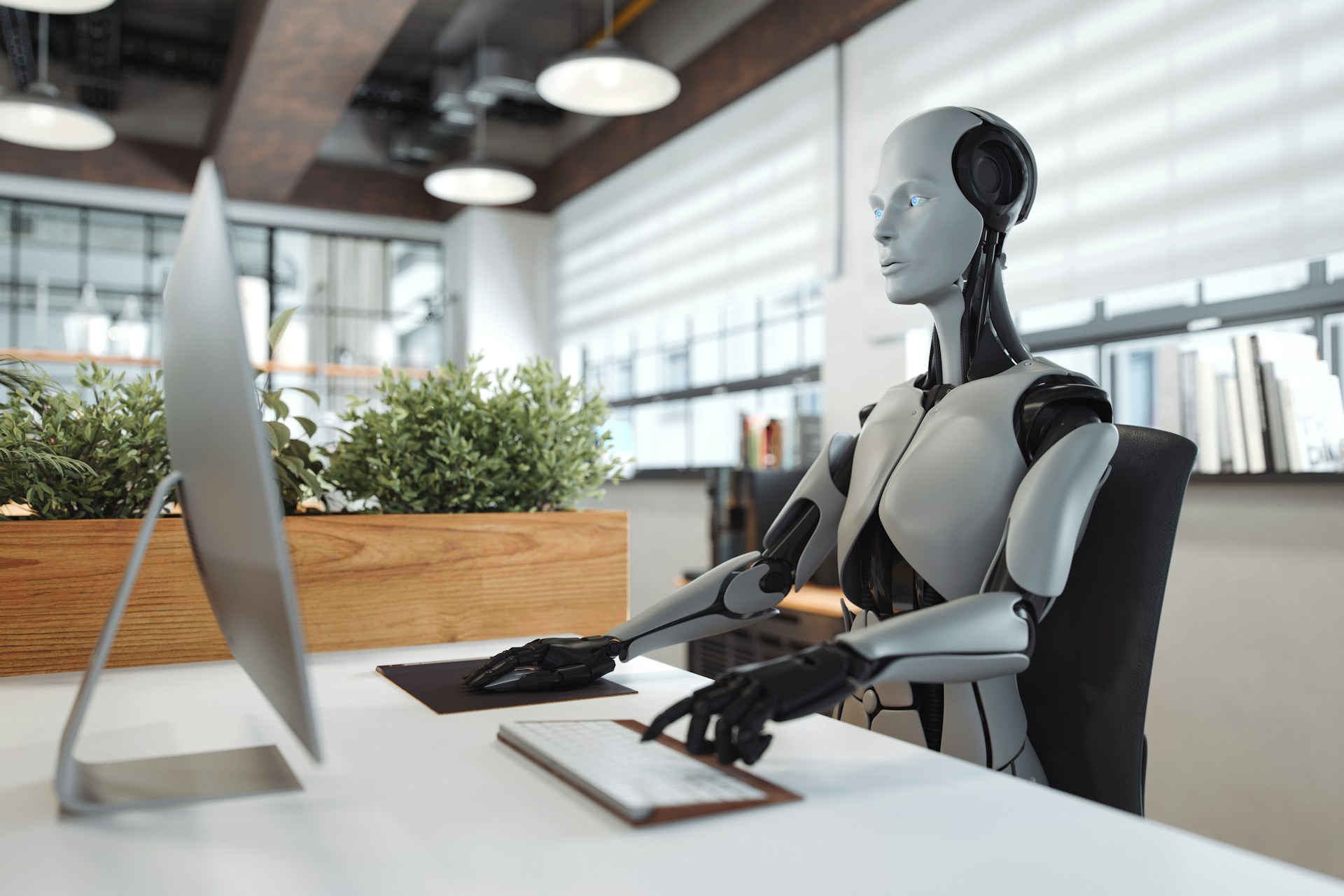
Artificial intelligence is becoming a major force in modern business, helping companies improve productivity, automate tasks, and make faster decisions. However, many entrepreneurs still question how much responsibility AI can truly handle. To explore this idea, businesses are beginning to test artificial intelligence in real-world situations instead of using it only for simple tasks. These experiments reveal valuable insights about AI business automation and show how technology can support daily operations. While AI can manage many processes efficiently, the experience also highlights why human creativity, leadership, and decision-making remain essential for long-term success.
Exploring the Role of AI in Everyday Business Operations
Businesses rely on many daily activities, including planning, communication, research, marketing, and organization. Therefore, testing AI as a business assistant provides a closer look at how technology can influence routine operations. Instead of focusing only on individual tools, this approach examines how AI works across different areas of a company.
At the beginning of the experiment, AI handled tasks that usually require significant time and attention. It organized information, created ideas, reviewed data, and helped structure business plans. Additionally, it provided quick responses and suggestions that helped improve workflow speed.
However, AI performance depended heavily on the quality of instructions it received. Clear goals and accurate information helped produce better results, while vague requests often created weaker outcomes. This showed that successful AI adoption requires thoughtful human guidance.
How Artificial Intelligence Improves Business Productivity
One of the strongest advantages of AI is its ability to improve efficiency. Many business owners spend hours completing repetitive tasks that do not always require advanced problem-solving. Therefore, AI can reduce workloads by handling routine responsibilities more quickly.
For example, AI can assist with content planning, customer responses, market research, and internal organization. As a result, business owners and employees can dedicate more time to strategic activities that require human thinking. Furthermore, AI can help companies maintain consistency by following structured processes.
However, increased productivity does not mean businesses should remove human involvement completely. AI works best when it supports employees rather than replacing their roles. When companies combine automation with human expertise, they can create stronger and more balanced workflows.
The Impact of AI on Business Planning and Decisions
Business decisions often require analyzing large amounts of information. Traditionally, this process can take significant time because leaders must review reports, research trends, and compare different options. Therefore, AI provides valuable support by processing information faster.
AI can identify patterns, organize complex details, and suggest possible strategies. Additionally, it can help business owners explore different scenarios before making important choices. This ability allows leaders to approach problems with more information and confidence.
During real-world testing, AI-powered business solutions showed strong potential for improving decision support. However, AI cannot fully understand emotions, customer relationships, or unpredictable situations. Human judgment remains necessary when decisions involve creativity, risk, or long-term vision.
Where AI Still Requires Human Oversight
Although AI can complete many tasks effectively, it has clear limitations. Businesses often depend on personal relationships, brand identity, and emotional understanding. Therefore, AI cannot fully replace the human elements that make companies unique.
For example, AI can create marketing messages, but it may not completely understand the feelings and expectations of a specific audience. Similarly, AI can analyze customer feedback, but humans are often better at recognizing deeper concerns.
Additionally, AI-generated information requires careful review. Mistakes can happen when AI lacks proper context or relies on incomplete data. Because of this, businesses must create systems where humans monitor important decisions and ensure quality.
Managing Customer Relationships With AI Support
Customer service is another area where AI creates both opportunities and challenges. AI-powered systems can answer common questions, organize requests, and provide quick responses. Therefore, businesses can improve response times and create more efficient support processes.
However, customers often value personal communication and genuine understanding. While AI can provide helpful information, it may struggle with complex situations that require empathy and emotional awareness. As a result, companies must find the right balance between automation and human interaction.
Furthermore, businesses can use AI to support customer service teams instead of replacing them. Employees can use AI insights to respond faster while still maintaining personal connections with customers.
The Challenges of Depending on AI for Business Management
Using AI for business management also creates new challenges. One major concern involves accuracy because AI does not always understand context perfectly. Therefore, businesses must review important outputs before using them in real situations.
Another challenge involves security and privacy. Companies must carefully manage sensitive information when using AI systems. Additionally, employees need proper training to understand how to use AI responsibly.
Despite these challenges, AI continues to provide valuable opportunities. Businesses that approach AI carefully can gain advantages while avoiding unnecessary risks. The key is creating a strategy that combines technology with responsible management.
How AI Could Shape the Future of Business Growth
AI is expected to play an even larger role in business operations as technology continues to improve. Companies that learn how to use AI effectively may gain stronger advantages through better efficiency, faster analysis, and improved customer experiences. Therefore, AI-driven business growth will depend on how well organizations combine automation with human skills.
Furthermore, smaller businesses can benefit from AI because it provides access to tools that were previously expensive or difficult to manage. Entrepreneurs can use AI to organize operations, improve marketing, and compete more effectively.
The future of business will not depend on AI replacing people. Instead, it will depend on businesses using AI to enhance human abilities and create smarter ways of working.
Lessons From Allowing AI to Manage Business Tasks
Testing AI as a business manager reveals important lessons about the future of work. AI productivity strategies demonstrate that artificial intelligence can improve efficiency, reduce repetitive workloads, and support better decision-making when used correctly. However, businesses must remember that technology works best when combined with human creativity and leadership.
Ultimately, AI can become a powerful business partner rather than a complete replacement for human effort. Companies that understand how to balance automation with personal expertise will be better prepared for future challenges. As AI continues to evolve, the most successful businesses will use technology to strengthen their operations while keeping human insight at the center.