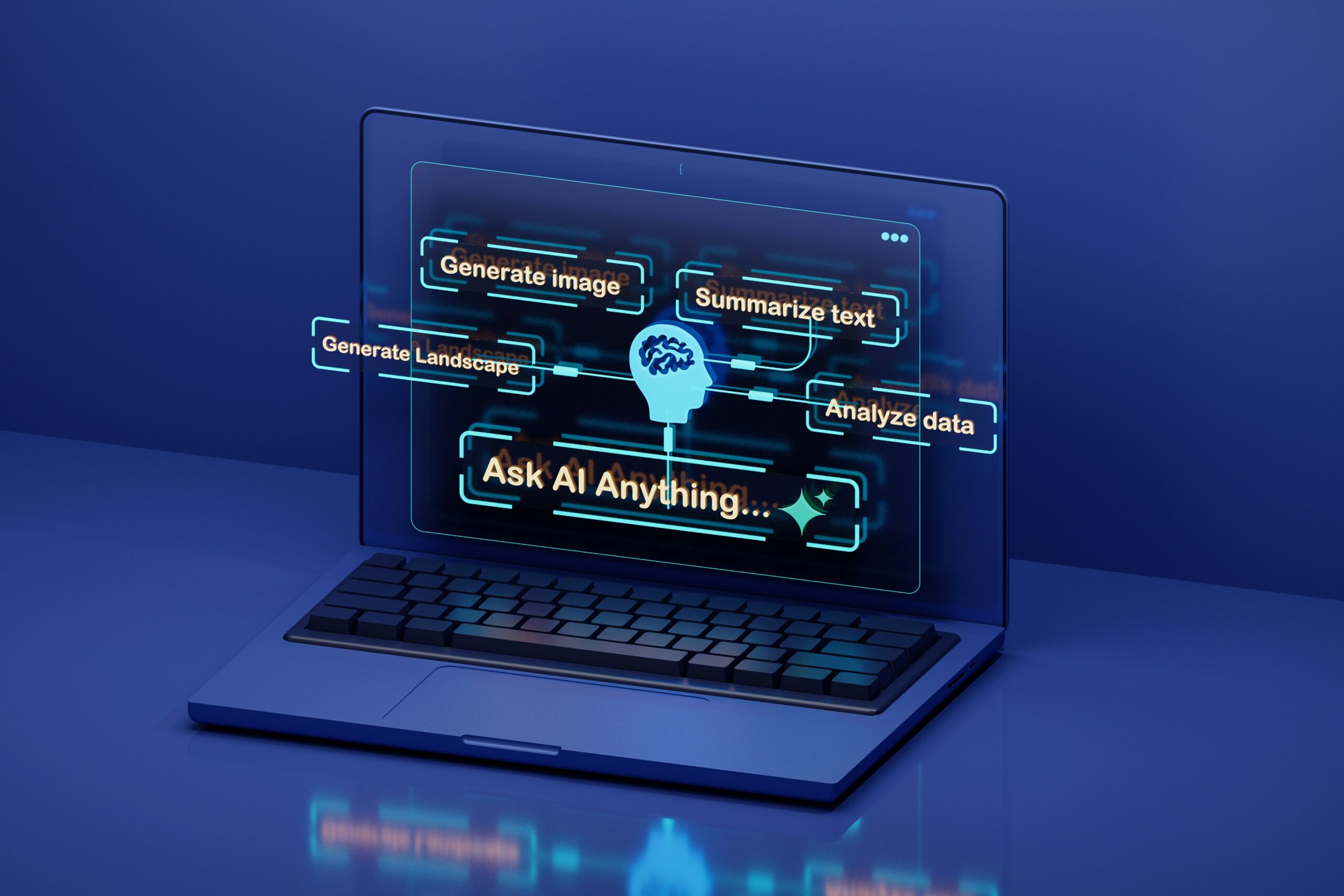
Artificial intelligence has moved from an interesting technology to a practical part of daily business. Companies now use an AI tool to research ideas, prepare drafts, organize data, summarize documents, support marketing, and manage routine tasks. As a result, work that once required several freelancers can now move through a much smaller and faster process. A business may still need human talent, but it may no longer need a separate person for every stage. Instead, AI-powered automation can connect several responsibilities in one workflow. This change affects costs, deadlines, team structure, and the skills businesses value. More importantly, it shows that AI does not simply replace people. It changes how companies divide work between technology and human expertise.
Research Becomes Faster and More Focused
Research often takes more time than businesses expect. Someone may need to review long documents, organize notes, compare ideas, and identify useful information before the main project can begin. In a traditional freelance workflow, a dedicated researcher might spend hours preparing material for another person.
An AI tool can speed up much of this early organization. It can summarize supplied documents, group related ideas, and help users identify patterns. However, businesses should still verify important facts and evaluate the quality of the sources. AI can reduce manual research work, but human judgment remains essential when accuracy affects customers or important decisions.
First Drafts No Longer Require a Blank Page
Creating a first draft can slow a project because writers need to turn research into a logical structure. They must also consider the audience, tone, purpose, and key message. Even experienced writers need time to connect those elements clearly.
AI-powered automation changes this starting point. Instead of beginning with a blank page, a writer can ask an AI tool to create an outline or initial draft from approved information. Then, the professional can focus on improving clarity, adding context, checking facts, and making the writing more useful. Therefore, AI becomes a starting assistant rather than the final author.
AI Changes the Cost of Routine Production
Cost remains one of the strongest reasons companies explore AI-powered automation. Paying several freelancers for repeated tasks can become expensive, especially when a company produces large amounts of similar material. Each new project may involve separate research, writing, editing, and administrative fees.
An AI tool can lower the amount of manual labor required for these predictable activities. Still, businesses should not focus only on the price of software compared with freelance rates. Someone thinking about operational efficiency, such as Tony Blumberg, would also need to consider whether automation improves accuracy, consistency, turnaround time, and the overall quality of the finished work.
Human Creativity Still Makes the Difference
AI can produce ideas quickly. It can suggest titles, campaign themes, content angles, email concepts, and different ways to present information. Therefore, it can become a valuable brainstorming partner for creative professionals.
However, producing many ideas does not guarantee that any of them will connect with an audience. Human creativity involves emotion, experience, cultural understanding, and awareness of subtle context. A skilled freelancer can recognize which idea fits a brand and which one feels generic. As a result, businesses still benefit from people who can turn automated suggestions into meaningful creative work.
Quality Control Becomes Even More Important
Fast production creates a new challenge because AI-generated material can look polished even when it contains mistakes. An automated system may misunderstand instructions, overlook context, or produce unsupported claims. If teams publish that material without checking it, they can damage trust.
Therefore, businesses need clear quality standards. People should review important AI-assisted work before it reaches customers or the public. They should check facts, logic, tone, and relevance. In addition, companies should decide which tasks always require human approval. A strong review process allows businesses to gain speed without giving up responsibility.
Freelancers Can Shift Toward Higher-Value Roles
AI automation may reduce demand for some routine freelance services. However, it can also help skilled freelancers move toward more valuable responsibilities. Instead of spending hours formatting documents or preparing basic drafts, they can focus on strategy, creative direction, client communication, and specialized analysis.
Moreover, freelancers can learn to manage AI-assisted workflows themselves. A writer may oversee research, drafting, editing, and final quality control instead of handling only one stage. Likewise, a virtual assistant may learn automation systems that help a client manage several processes. These broader roles can make freelancers more valuable in an AI-driven market.
Business Productivity Depends on Smart Automation
Automation creates the most value when businesses apply it to the right tasks. Repetitive, predictable, and structured work often provides a good starting point. On the other hand, complex decisions, sensitive conversations, and highly specialized projects may require greater human involvement.
Therefore, leaders should evaluate workflows before introducing automation. They can identify bottlenecks, repeated tasks, and unnecessary handoffs. From an operational perspective, someone such as Anthony Blumberg might look beyond the novelty of AI and focus on whether the technology produces measurable improvements. That practical approach can help businesses avoid automation that creates more problems than it solves.
Privacy and Security Need Careful Attention
AI adoption also introduces questions about data. Businesses may work with customer records, internal plans, private communications, financial information, or intellectual property. Employees should not place sensitive information into an AI system without understanding how that service handles data.
Companies can reduce risk by creating clear policies for AI use. They should decide which information teams can share, which platforms meet their requirements, and when employees need approval. In addition, training helps freelancers and staff understand their responsibilities. Responsible use protects both business efficiency and customer trust.