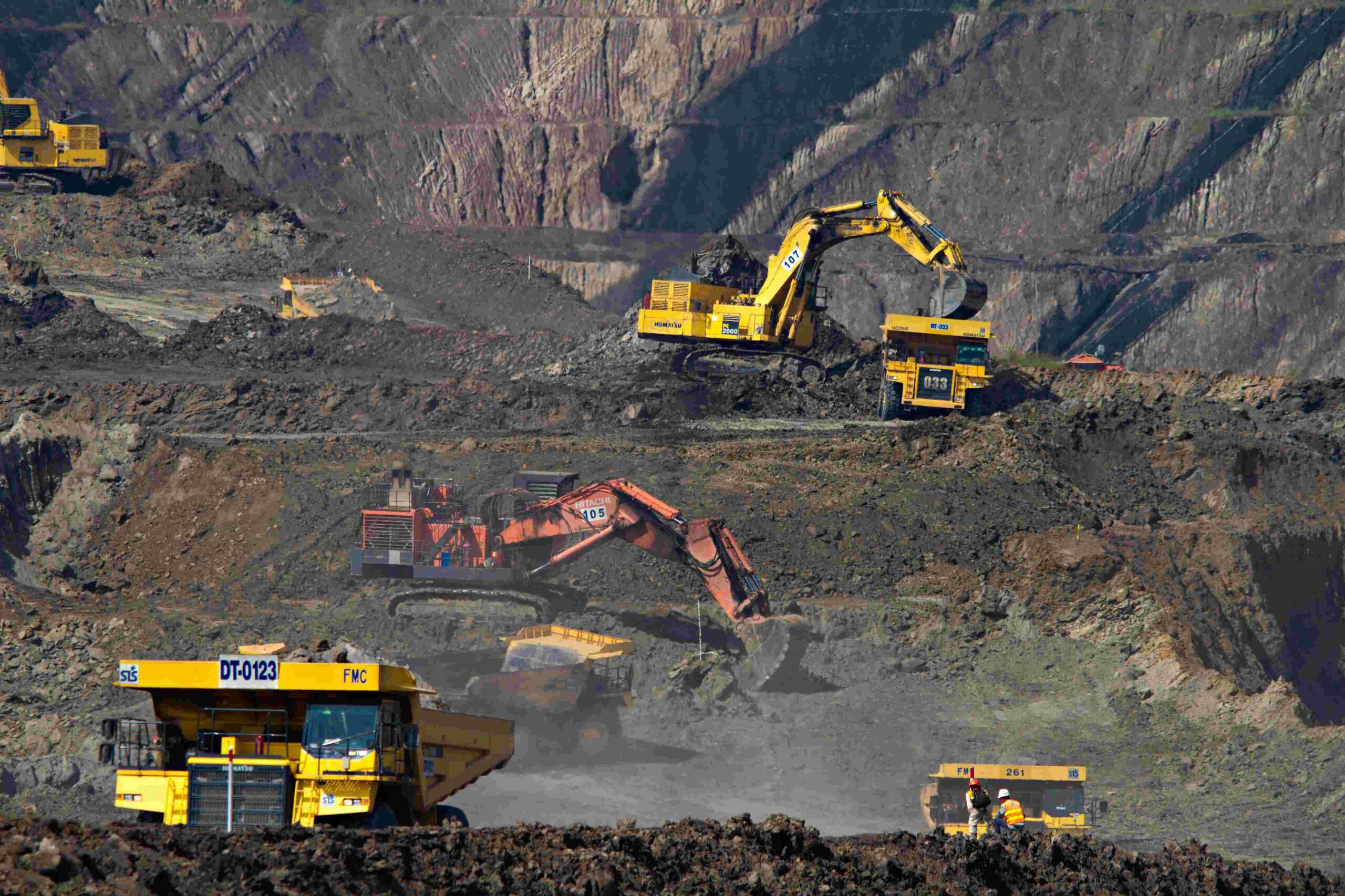
The mining industry plays a major role in economic growth, job creation, and resource supply. However, mining companies face many challenges when planning future projects. Government policies, environmental rules, and public concerns can affect how these projects move forward. Therefore, balancing government regulations with long-term mining goals is essential for lasting success.
Mining projects often require large investments, careful planning, and years of work. Meanwhile, government policies may shift because of political priorities, economic needs, or environmental concerns. As a result, mining companies must remain flexible while maintaining clear business objectives. Strong planning and open communication can help companies manage these challenges.
Understanding the Role of Government Policies in Mining
Government policies guide how mining companies explore, develop, and operate resource projects. These rules often cover land use, worker safety, environmental protection, and resource management. Therefore, companies must understand the legal framework before starting major mining activities.
Moreover, clear government policies help create fair business conditions. They protect public interests while allowing responsible companies to access valuable resources. When governments establish consistent rules, mining businesses can make better investment decisions and develop stronger long-term strategies.
Why Long-Term Mining Goals Require Strategic Planning
Mining development requires patience because projects can take many years to reach production. Companies must study mineral deposits, assess financial risks, and secure the necessary permits. As a result, successful mining goals depend on detailed planning and realistic expectations.
Furthermore, mining companies must consider market demand, operational costs, and future resource needs. These factors can change throughout a project’s life. Therefore, businesses should create flexible strategies that support growth while allowing adjustments when conditions shift.
Managing Regulatory Challenges and Project Approvals
Regulatory approval is among the most important stages of resource development. Mining companies often need permits for exploration, construction, environmental management, and daily operations. However, approval processes can become complex when different government agencies oversee separate requirements.
To manage these challenges, companies should keep accurate records and engage regulators early. They should also prepare detailed project plans that address safety, environmental risks, and local concerns. This approach can reduce avoidable delays and strengthen relationships with government officials.
Balancing Environmental Protection and Economic Development
Environmental protection remains a major priority in modern mining. Governments often require companies to manage waste, protect water supplies, and limit damage to natural habitats. Therefore, responsible mining practices must become part of every long-term development strategy.
At the same time, mining supports industries that depend on metals and minerals. These resources help produce infrastructure, electronics, transportation systems, and clean energy technologies. Consequently, companies must balance economic benefits with environmental responsibilities to support sustainable resource development.
How Political Decisions Influence Mining Investments
Political decisions can affect mining operations by changing taxes, licensing rules, and resource policies. For example, a new government may introduce stricter environmental standards or revise mineral ownership laws. These changes can affect project costs and investor confidence.
Therefore, mining companies should monitor political developments and assess potential risks before making major commitments. Moreover, maintaining constructive relationships with public agencies can improve communication and help businesses understand upcoming policy changes. This preparation supports better decisions during periods of uncertainty.
Building Strong Relationships With Local Communities
Community support plays an important role in achieving long-term mining goals. Mining projects can affect nearby towns through employment, infrastructure development, and land use. However, local communities may also have concerns about water quality, environmental damage, and changes to daily life.
To build trust, mining companies should communicate openly with residents and listen to their concerns. Furthermore, businesses can support local employment, workforce training, and community development programs. When companies demonstrate respect and accountability, they can create stronger relationships that support responsible mining operations.
The Importance of Stable Mining Regulations
Stable regulations help mining companies plan future investments with greater confidence. Clear licensing requirements, consistent environmental standards, and transparent approval systems reduce uncertainty. As a result, businesses can focus on improving operations and meeting long-term development goals.
However, regulations must also adapt to changing environmental conditions and industry practices. Governments should review policies when new risks or technologies emerge. Meanwhile, mining companies should participate in public consultations and provide practical feedback. This cooperation can support effective rules without weakening essential protections.
Using Technology to Improve Regulatory Compliance
Modern technology helps mining companies manage operations while meeting government requirements. Digital monitoring systems can track equipment performance, environmental conditions, and resource use. As a result, companies can identify problems earlier and improve operational efficiency.
Additionally, data analysis tools help businesses prepare reports, review risks, and monitor compliance activities. Automated systems can also improve safety checks and reduce unnecessary paperwork. By investing in practical technology, mining companies can support responsible operations while maintaining their long-term mining goals.
Preparing for Future Challenges in Resource Development
The mining industry must prepare for changing market conditions, environmental expectations, and government priorities. Growing demand for critical minerals may create new opportunities, but companies still need careful planning. Therefore, long-term strategies should address both business growth and responsible resource management.
Moreover, companies should regularly review financial plans, environmental commitments, and community relationships. Strong risk management can help organizations respond to policy changes without losing sight of their goals. Adaptable businesses can better protect investments and maintain steady progress.
Balancing government policies and long-term mining goals requires patience, cooperation, and strategic thinking. Mining companies must follow regulations while managing financial risks, environmental concerns, and community expectations. Therefore, clear communication and responsible planning are essential for sustainable industry growth.
Ultimately, successful resource development depends on finding common ground between public interests and business objectives. When governments provide transparent regulations and companies maintain responsible practices, both sides can support lasting economic benefits. This balanced approach helps the mining industry achieve long-term goals while protecting valuable natural resources.