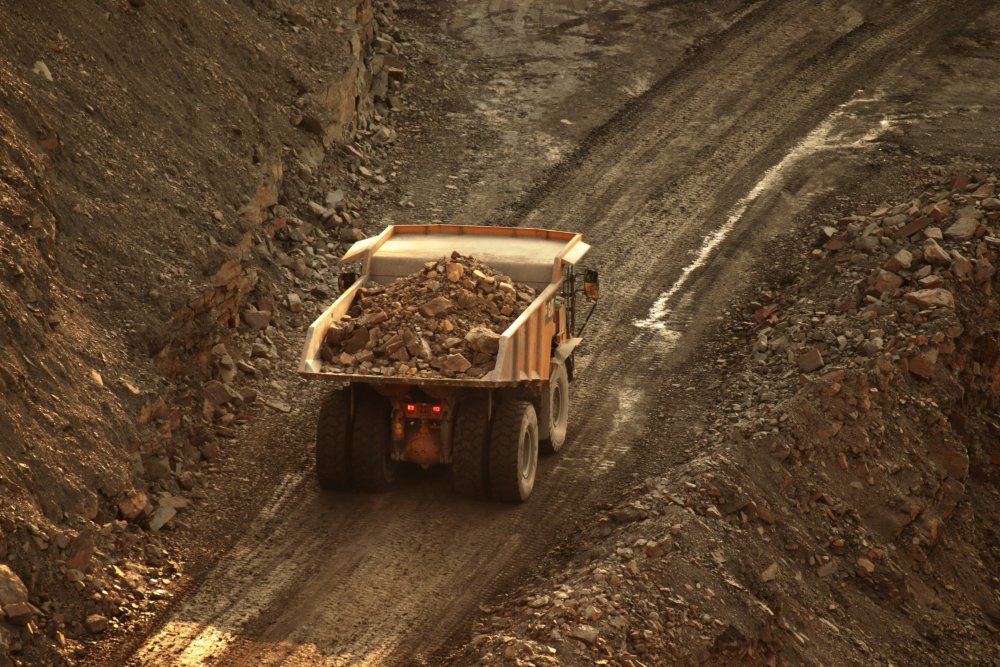
Industries once operated within clear boundaries. Mining companies extracted valuable resources, power companies produced electricity, and technology companies built computing systems. Each sector followed its own business model and investment priorities. Today, these boundaries are becoming less clear. Growing demand for electricity, advanced technology, and critical minerals is bringing these industries closer together. As a result, companies must rethink how they produce resources, manage energy, and support digital growth.
This change affects more than large corporations. It influences energy prices, infrastructure development, job opportunities, and long-term economic growth. For example, data centers need reliable electricity, while power networks depend on minerals such as copper and aluminum. Mining operations also use computing systems to improve productivity. These connections show why understanding the relationship between mining, power, and computing has become increasingly important.
Mining Is Becoming More Connected to Technology
Mining has always supported industrial development by supplying materials for construction, transportation, and manufacturing. However, modern technology has created new demand for specific minerals. Copper helps carry electricity through power networks and electronic equipment. Lithium, nickel, and graphite play important roles in many battery systems. As electric vehicles, renewable energy projects, and digital infrastructure expand, mining companies face growing pressure to provide these essential materials.
Technology also changes how mining companies operate. Modern equipment uses sensors, automated controls, and digital monitoring systems to improve daily activities. For example, companies can study equipment performance and identify maintenance needs before major problems occur. Advanced computing can also help teams understand geological information and plan extraction activities. These improvements can reduce delays, strengthen workplace safety, and support better resource management. However, companies still need skilled workers and reliable systems to achieve these benefits.
Electricity Is the Common Link Between Industries
Electricity connects mining operations with the expanding world of computing. Mines need substantial power to operate heavy equipment, process minerals, and maintain production facilities. Meanwhile, data centers require continuous electricity to run servers, cooling systems, and communication networks. As both sectors grow, they create additional pressure on power infrastructure. This shared dependence encourages companies to pay closer attention to electricity availability, operating costs, and long-term supply agreements.
Reliable power has become a major factor in industrial planning. A mining project may struggle if electricity costs rise sharply or local networks cannot meet demand. Similarly, a data center cannot operate effectively without dependable energy. Therefore, businesses increasingly consider power availability before selecting new locations. Some also explore renewable electricity, battery storage, and dedicated energy agreements. These strategies can improve cost planning, although their success depends on local conditions and project requirements.
Computing Growth Is Changing Energy Demand
Computing has become essential to modern business operations. Companies use digital systems to manage financial transactions, customer information, industrial equipment, and communication services. Artificial intelligence has added another source of demand for computing capacity. As organizations expand their digital activities, data centers must handle larger workloads. This development creates opportunities for technology providers, construction companies, and electricity suppliers that support the necessary infrastructure.
However, growing computing demand also presents important challenges. Powerful servers generate heat and require cooling, which increases the need for effective facility design. Electricity supply can become a limiting factor in regions with crowded power networks. In response, data center operators may consider locations with dependable electricity, suitable land, and strong network connections. Some companies also invest in more efficient equipment. These decisions show that computing growth now depends heavily on energy planning rather than technology alone.
Critical Minerals Support the Digital Economy
The digital economy relies on physical materials that often receive little public attention. Computers, servers, cables, and power equipment all contain minerals extracted from the earth. Copper supports electrical connections, while aluminum appears in equipment and infrastructure. Other materials help manufacturers produce electronic components and energy storage systems. Without reliable mineral supplies, expanding computing infrastructure and modern electricity networks would become more difficult and expensive.
Securing these materials requires careful planning. Mining projects often need large investments, extensive preparation, and years of development before production begins. Environmental reviews, transportation needs, and processing capacity can also affect supply. As demand grows, businesses and governments are paying greater attention to responsible extraction and dependable supply chains. Recycling can recover useful materials from existing products, but it cannot immediately replace all new mining. A balanced approach can help support future technology development.
Companies Are Finding Opportunities Across Sectors
The growing connection between industries creates opportunities for new business relationships. Mining companies may work with technology providers to improve production systems. Electricity suppliers may develop agreements with data center operators that need stable power. Technology companies may also support energy management through software and monitoring tools. These partnerships allow businesses to combine different strengths while addressing shared challenges related to cost, efficiency, and infrastructure.
Some companies may explore business activities beyond their traditional markets. For example, a power producer could consider supplying electricity to a nearby computing facility. A mining business with suitable infrastructure might examine opportunities to support other industrial users. However, entering a new sector does not guarantee success. Companies must study market demand, investment requirements, technical needs, and financial risks. Strong partnerships can help, but every project requires a clear business purpose.
Environmental Responsibility Is Becoming More Important
The connection between mining, electricity, and computing also creates environmental concerns. Mining can disturb land and require significant water and energy resources. Electricity generation can produce greenhouse gas emissions, depending on the energy source. Data centers consume power and may require water for certain cooling methods. As these industries expand, companies face greater expectations to manage their environmental impact and explain how they use resources.
Businesses can respond by improving efficiency and making responsible investment decisions. Mining companies can strengthen waste management and reduce unnecessary energy use. Power providers can expand cleaner electricity options where practical. Data center operators can select efficient cooling equipment and monitor electricity consumption. Cooperation across industries may also help identify better solutions. Although environmental challenges remain, careful planning can support industrial growth while reducing avoidable harm.